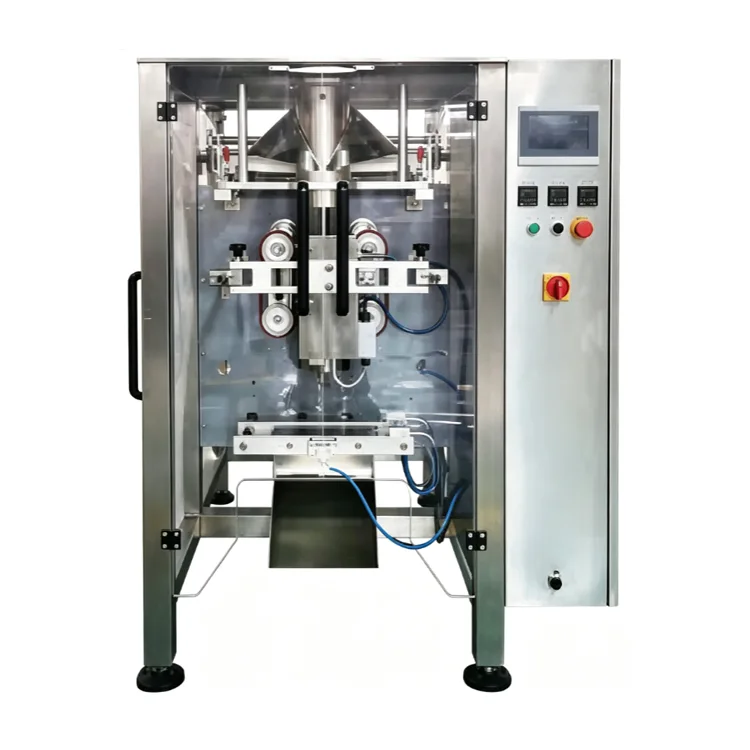
A packing system serves as the convergence point of product handling, protective wrapping, and final container consolidation. In sectors ranging from food processing and pharmaceuticals to e-commerce fulfillment and heavy manufacturing, the architecture of the system directly influences throughput speed, material waste, and overall line reliability. Without a carefully calibrated approach, even minor inconsistencies in sealing temperature, belt timing, or film tension can cascade into costly rework and delayed shipments. Modern facilities demand equipment that integrates seamlessly with upstream fillers and downstream palletizers while maintaining precise control over every package produced.
Soonwell entered the packing system market with a clear mandate: replace rigid, hard-to-maintain legacy units with modular platforms that grow alongside production needs. The engineering philosophy centers on three pillars—precision motion control, intelligent monitoring, and rapid format adjustment. Every system is built around a common frame architecture that allows components to be swapped, upgraded, or expanded without welding or extensive downtime. Field technicians can replace a sealing jaw assembly in under eight minutes, and the control interface guides operators through troubleshooting steps in clear, jargon-free language.
In food and pharmaceutical environments, the packing system becomes part of the hygiene perimeter. Soonwell addressed this by sloping all horizontal surfaces at 15 degrees, eliminating flat areas where moisture or debris could collect. The stainless steel frame is electropolished to a surface roughness below Ra 0.8 μm, meeting 3-A sanitary standards. IP69K-rated servo motors and fully sealed bearings enable complete wash-down with low-pressure foam and water, without requiring protective covers that trap contaminants.
Power consumption often remains a hidden cost until electricity invoices reveal patterns. Soonwell packing systems incorporate regenerative braking on high-inertia motions, feeding deceleration energy back into the DC bus rather than dissipating it as heat in resistor banks. Combined with IE4-class super-premium efficiency motors, the typical continuous draw for an SW-P Standard running 100 packs per minute is 4.8 kW—about 22% lower than comparable machines in the same speed class. Standby mode, activated after five minutes of idle, drops consumption to 0.6 kW by powering down heaters while maintaining the safety circuit.
Beyond energy, the total cost calculation includes film waste, spare parts inventory, and unplanned downtime. Soonwell publishes mean-time-between-failure data for every major assembly, based on telematic data aggregated from over 800 installed units. The sealing jaw assembly, for instance, averages 42 months of continuous operation before replacement, and the belt assemblies run 28 million cycles before tension re-adjustment. These figures allow finance teams to model lifecycle costs with confidence, often demonstrating a payback period under 18 months when upgrading from older intermittent-motion machines.
Q: What are the main types of packing systems available for a high-mix production line?
A: Horizontal form-fill-seal systems dominate for solid products, while vertical systems handle powders and granules. Shrink-wrapping systems use film that contracts under heat, ideal for multi-packs. Stretch banding and sleeve wrapping offer alternative approaches for trayed goods.
Q: How do I determine the right level of automation in a packing system?
A: Start by analyzing your labor stability, error rates during manual packing, and the variability in your product shapes.
Q: Can a modern packing system handle sustainable and recyclable films?
A: Yes, and this capability has become a primary selection criterion. Recyclable mono-PE films seal at a narrower temperature window than conventional laminates—typically within a 15°C range versus 30°C. Soonwell packing systems use a cascade temperature control algorithm that reads a pre-printed film identifier barcode and loads the sealing recipe automatically.
Q: What are the critical factors for packing system installation and commissioning?
A: The three most overlooked factors are floor flatness, compressed air quality, and network cybersecurity.