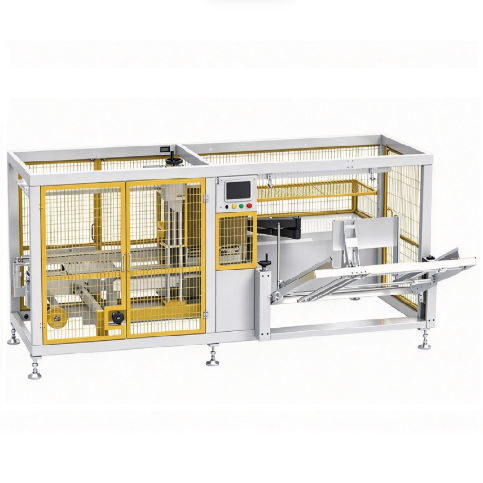
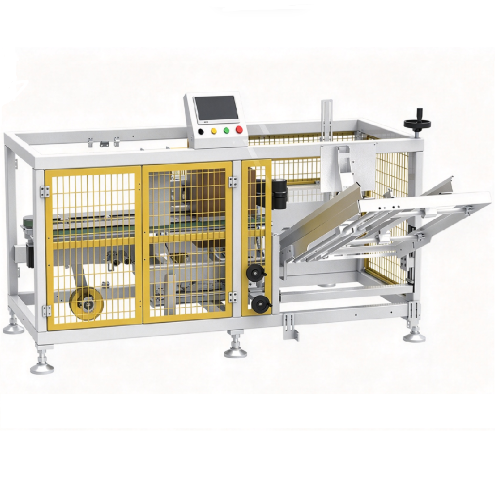
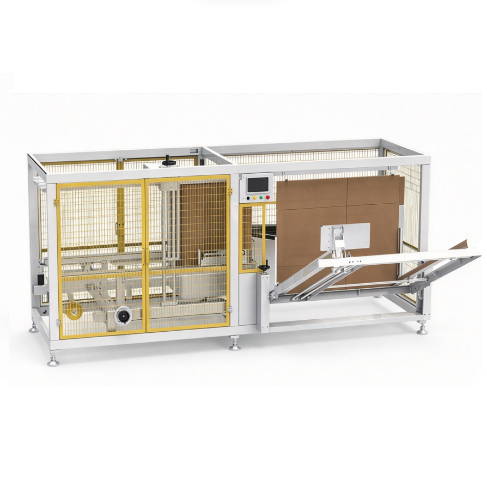
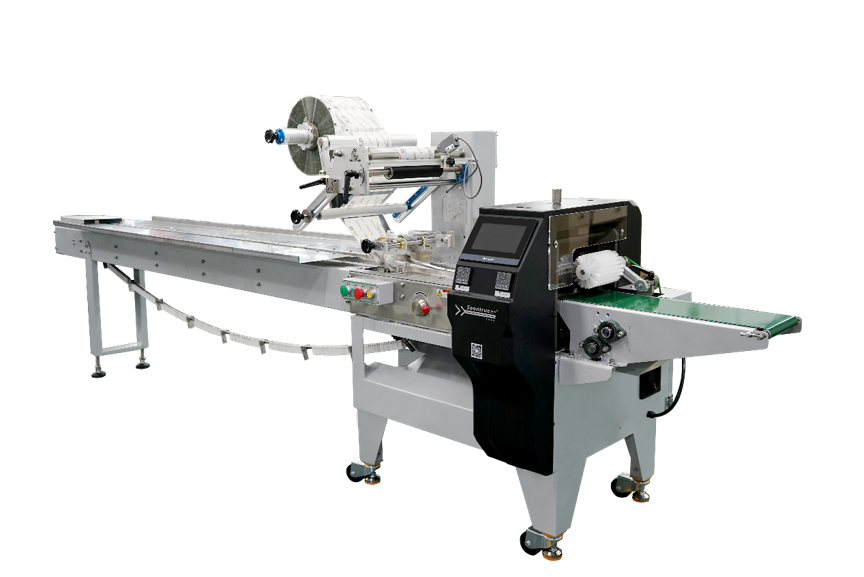
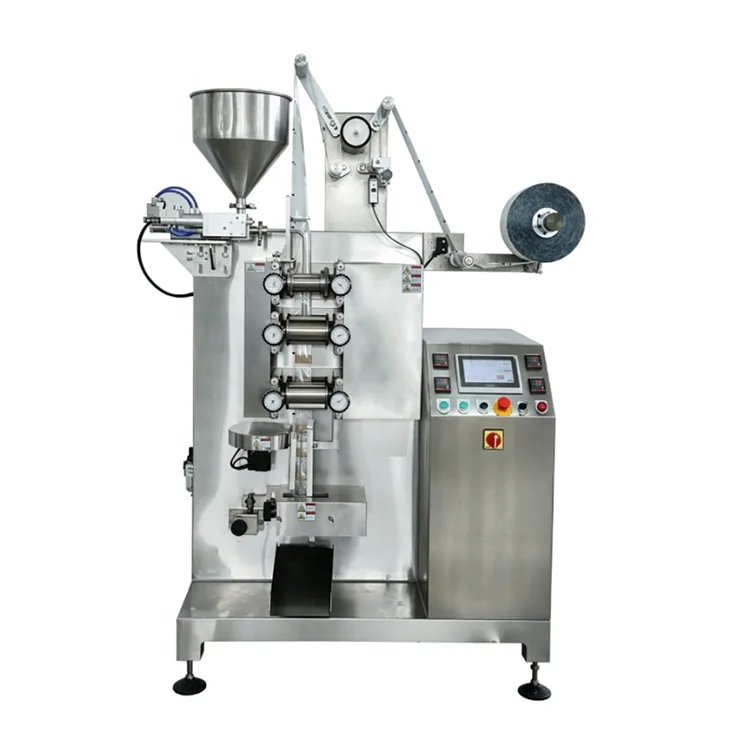
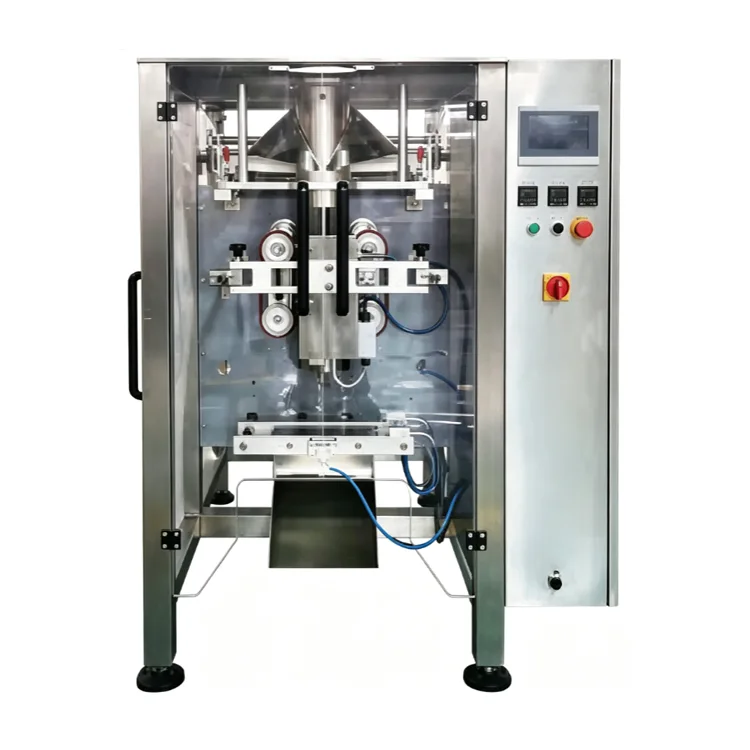
In modern production and fulfillment centers, Carton Erecting Packaging Machinery has become the backbone of high-speed packaging lines. This equipment automates the forming of flat corrugated blanks into fully opened cases, ready for product insertion. By eliminating manual box assembly, operations drastically reduce labor costs, improve throughput consistency, and minimize workplace ergonomic risks.
Soonwell designs carton erecting packaging machinery that meets the demands of food, beverage, pharmaceutical, e‑commerce, electronics, and third‑party logistics providers, delivering solutions that adapt to changing box styles and production volumes. Beyond the basic erection cycle, advanced carton erecting packaging machinery incorporates automatic changeover for different case dimensions, integrated case printing or labeling, and smart sensors that detect misfeeds or jam conditions. These features make the equipment essential for lean manufacturing environments where uptime and flexibility directly influence order fulfillment speed. Soonwell’s product line ranges from compact semi‑automatic models for small businesses to fully automatic, servo‑driven systems that integrate seamlessly with upstream case gluing and downstream palletizing equipment.
Carton erecting packaging machinery serves virtually any sector that ships products in corrugated cases. In food processing, stainless steel washdown versions of Soonwell erectors form cases for frozen vegetables, dry snacks, and baked goods. Pharmaceutical manufacturers rely on serialization‑ready erectors that produce consistently square cases for automated labeling and track‑and‑trace systems. E‑commerce fulfillment centers use high‑speed erectors to feed packaging stations where multiple SKUs are combined into a single order, and the system must handle an unpredictable mix of case sizes.
Electronics manufacturers choose Soonwell for precise case handling that protects delicate components during transport. The machinery integrates with upstream forming of inner partitions or anti‑static foam inserts, creating a fully finished package ready for product insertion. Third‑party logistics providers value the rapid size changeover feature, which adjusts in under three minutes using recipe‑driven settings, avoiding the bottleneck of manual recalibration.
Soonwell erectors use recipe‑driven changeover. Operators select a stored program on the HMI, and servo motors adjust the blank magazine width, lateral case guides, flap folding tools, and discharge conveyor height to match the new size. Mechanical adjustments are minimized; changeover typically takes less than three minutes.
What maintenance is required to keep the machine running reliably?Daily cleaning of adhesive nozzles and vacuum cups prevents buildup that can cause misfeeds. Weekly greasing of cam followers and pivot points is recommended. Quarterly, the maintenance team should inspect drive belts, chains, and pneumatic seals. Soonwell machines display on‑screen alerts when scheduled maintenance is due.
Can the erector form both top‑ and bottom‑sealed cases?Standard carton erecting packaging machinery seals only the bottom of the case during forming. The top flaps remain open for product loading and are sealed later by a separate case sealer. However, Soonwell can provide an integrated system that erects the case, conveys it to a loading zone, and then closes and seals the top flaps in a single pass for applications where products are loaded from the side or through an opening. Dual‑function machines are also available for special tray and hood‑style cases.
How does the machine verify that a case is properly formed?Sensors along the forming path detect misfeeds, incomplete flap folding, or missing adhesive. A flap‑open sensor at the discharge confirms that the case is square and the bottom flaps are correctly sealed before the case moves downstream.
Is training included with a Soonwell machine purchase?Yes, Soonwell provides comprehensive onsite training for operators and maintenance personnel. Sessions cover machine setup, recipe management, routine maintenance tasks, and safety protocols.