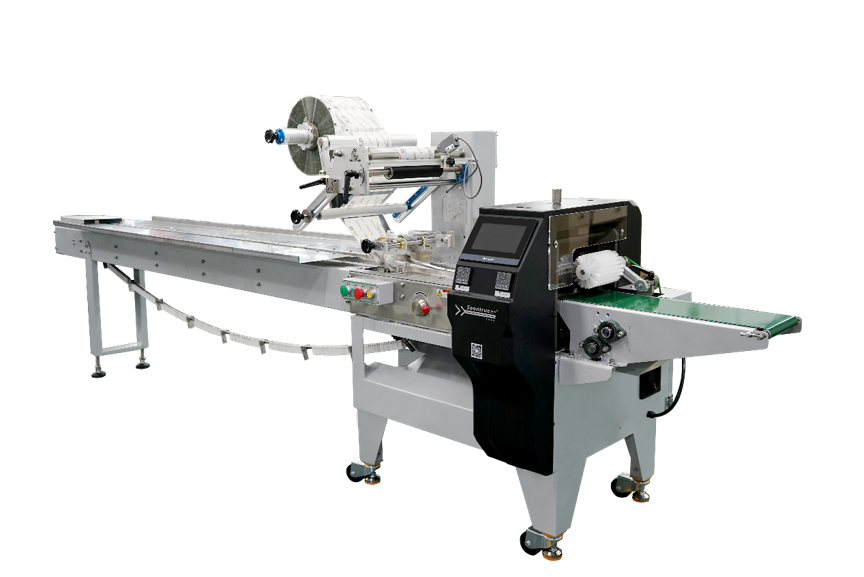
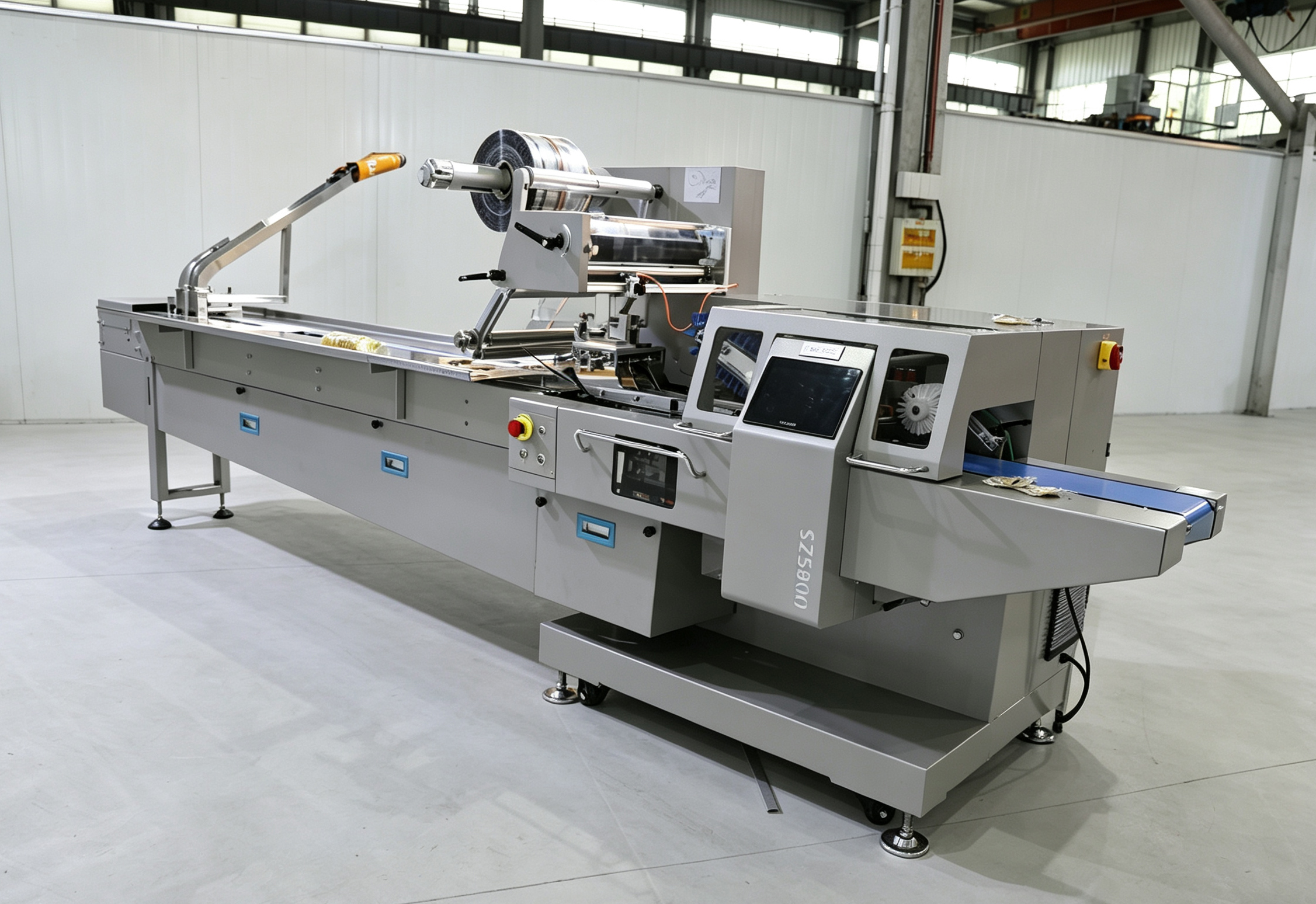
In modern manufacturing and distribution environments, the role of packaging line auxiliary equipment cannot be overstated. These systems form the connective tissue between core packaging machines, ensuring smooth material handling, precise accumulation, reliable sealing, accurate labeling, and efficient end-of-line palletizing. Every production manager knows that a single bottleneck in auxiliary functions can throttle the entire operation, no matter how fast the primary filler or capper runs. That’s why selecting robust, intelligently designed auxiliary equipment is a strategic decision that impacts throughput, product integrity, and total cost of ownership.
Soonwell has dedicated over two decades to engineering packaging line auxiliary equipment that meets the rigorous demands of food, beverage, pharmaceutical, personal care, and chemical industries. The brand’s equipment portfolio is developed with a singular focus: reducing unscheduled downtime, minimizing changeover time, and extending service life in high-cycle applications.
Soonwell organizes its auxiliary equipment into five primary groups, each engineered to solve specific line challenges. These systems are built on a modular platform, allowing clients to configure a fully synchronized packaging line without compatibility headaches.
Each category is supported by Soonwell’s proprietary motion control architecture, which enables seamless communication with upstream and downstream machines. This integration eliminates the common “islands of automation” problem where conveyors, diverters, and wrappers operate on different timing protocols.
For wet environments, you must prioritize materials and sealing. Soonwell recommends 304 stainless steel frames with an IP66 washdown-rated gearmotor. Conveyor belts should be of the open-hinge modular plastic type to allow drainage. All bearings should be sealed and include a secondary lip seal. Soonwell’s SW-Convey 800-SS series meets these requirements, and the electrical cabinets are mounted at a height above potential water spray.
Label waste typically occurs during splicing and at the end of roll changeovers. Soonwell’s SW-LabelTech series uses a dual unwind stand that allows zero-speed splicing. The system automatically detects the running roll diameter and pre-stages the new roll. When the old roll expires, the splicing mechanism performs a precisely timed cut and join without stopping the conveyor.
For a Soonwell SW-Stretch 1800 running three shifts, preventive maintenance is recommended every 500 operating hours. This mainly involves cleaning the pre-stretch rollers, inspecting the film carriage drive belt, and checking the turntable bearing lubrication. The pre-stretch rollers are the most critical; a build-up of adhesive residue changes the film tension characteristics.
Yes, Soonwell’s SW-RoboPal C5 is specifically designed for retrofit applications. It comes with a movable base cart that includes integrated safety scanners. The cell operates at collaborative speeds as defined by ISO/TS 15066, meaning it can work alongside people without fencing once a risk assessment is completed.
The decision depends primarily on product fragility and case style. Top-load erectors are better for products that are tall, unstable, or require vertical placement by robot, as they leave the top of the case open for loading. Soonwell’s SW-CasePro 2200 top-load variant handles cases up to 400 mm in height and uses vacuum cups to hold the minor flaps until the product is placed. Side-load erectors, on the other hand, are ideal for flat products and for lines where a horizontal loading motion integrates better with existing conveyors.